
2026 Annual Meeting Workshop Details
KEYNOTEThe Cost of Care: Barriers to Connection Among Psychologists
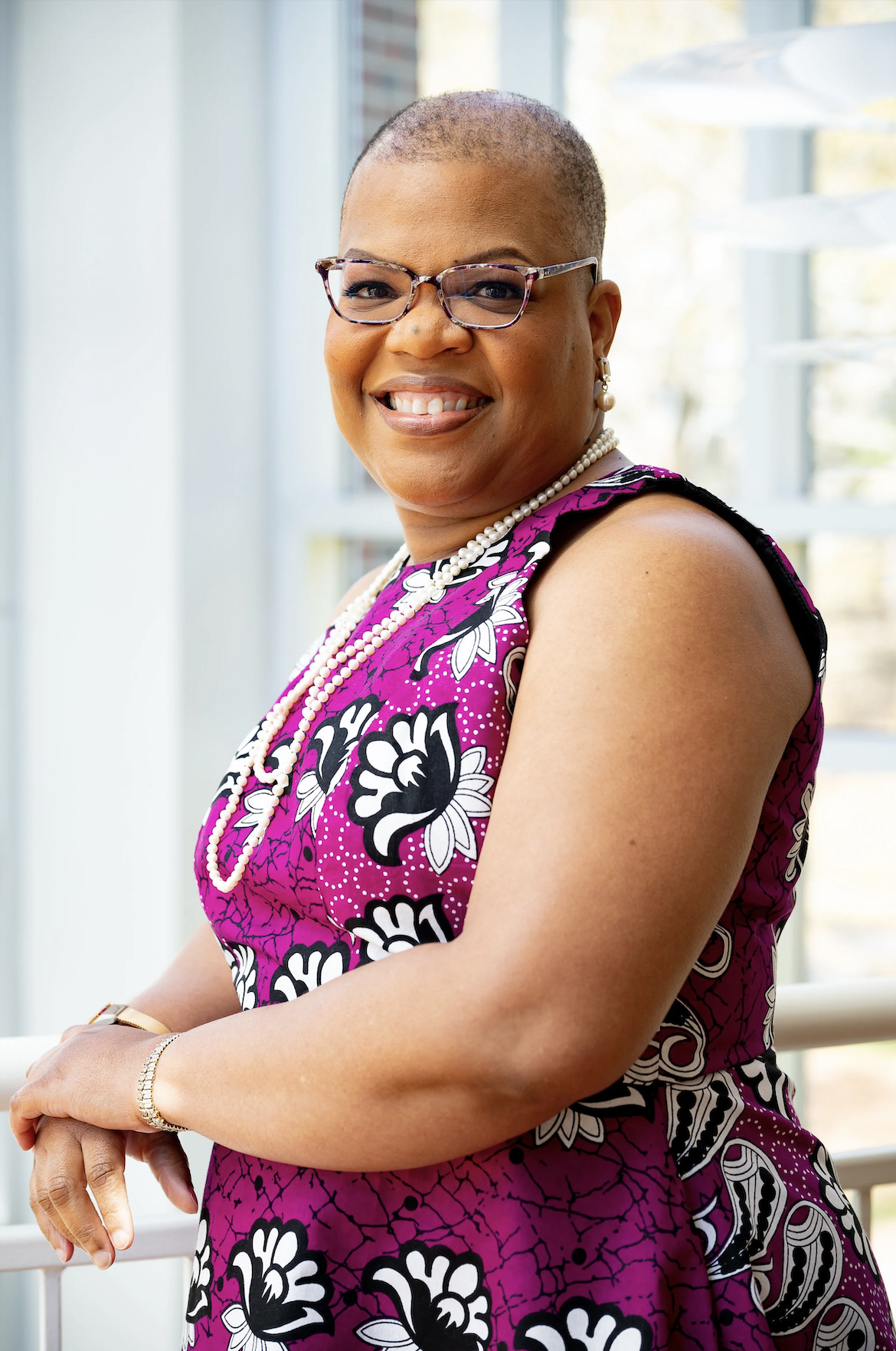
Chanequa Walker-Barnes, PhD
Friday, April 24, 2026
8:00am - 9:00am
CE Hours: 1
Workshop level: Introductory
-
This workshop explores how psychologists can support and maintain personal and professional wellness while meeting the mental health needs of others. Participants will discuss the meaning and determinants of wellness, and the ways in which the professional demands of psychologists can hinder or contribute to their health and well-being. Specific emphasis is placed upon the challenges of working with marginalized and vulnerable populations, and the concomitant risks of burnout, compassion fatigue, and vicarious/secondary traumatization. A combination of self-assessments and experiential exercises will help participants develop a personalized wellness plan to support long-term resilience and wellbeing.
-
Explain the six dimensions of eudaimonic well-being and their impact upon the efficacy and ethics of psychologists' clinical work, teaching, and research.
Analyze psychologist well-being and self-care as self-management strategies that support ethical decision-making and conduct.
Describe the roles of emotional labor, sense of purpose, and self-care in psychologists' work and their impact on growth, burnout, compassion fatigue, and vicarious/secondary traumatization, particularly when working with marginalized and vulnerable populations.
Create a personalized wellness plan that incorporates physical, emotional, social, and professional selfcare to promote long-term resilience.
-
Chanequa Walker-Barnes is a womanist pastoral theologian, clinical psychologist, and ecumenical minister who serves as Professor of Practical Theology and Pastoral Care at Columbia Theological Seminary in Decatur, Georgia. She is the author of three books – Sacred Self Care: Daily Practices for Nurturing Our Whole Selves, I Bring the Voices of My People: A Womanist Vision for Racial Reconciliation, and Too Heavy a Yoke: Black Women and the Burden of Strength, as well as two dozen book chapters and peer-reviewed journal articles in theology, clinical psychology, and child development.
Friday, April 24 Workshops
WORKSHOP 1The Changing Face of the Ethics of Self Care
Suzann Lawry, PhD
Time: 9:30am - 12:30pm
CE Credits: 3 Ethics
Workshop Level: Intermediate
-
In our roles as psychologists, prioritizing our well-being is often understood as a luxury despite clear ethical and practice guidelines to the contrary. There is a substantial body of research identifying factors from micro, mezzo, and macro levels of influence. Despite this truth, the ‘antidote’ for constructs like Burnout, Impostor Phenomenon, Compassion Fatigue, is often self-care and the sole responsibility of the psychologist. More recent framing of self-care as an act of social justice and calls to build Communities of Care invites a more comprehensive and sustainable approach to ensuring the well-being of our clients and ourselves.
-
To be able to utilize specific ethical and practice guidelines to advocate for the wellbeing of yourselves, colleagues, and the systems in which you work to ensure competent service delivery and avoid client harm.
To be able to describe at least 3 factors, one from each micro, mezzo, and macro level of influence, that can negatively impact clinician well-being, and at least 3 effective strategies to address them.
To learn how to reference your Well-being and Resilience Action Plan, that is in alignment with ethical guidelines and standards of practice, to build Communities of Care and maintain your physical and mental health.
-
Suzann Lawry, PhD is committed to using her professional roles of psychotherapist, supervisor, consultant, and educator to promote Social Justice. Dr. Lawry’s research interests are in the contextual factors associated with Impostor Phenomenon and Burnout. She maintains a private practice in Atlanta, Georgia and she is a supervisor and adjunct faculty in the Clinical Psychology program at Georgia State University.
WORKSHOP 2From Theory to Practice: Assessment and Treatment of Substance Use Disorder Using a Biopsychosocial Approach
Kallio Hunnicutt-Ferguson, PhD, Samantha Patton, PhD, ABPP, and Martha Fiskeaux, PsyD
Time: 9:30am- 12:30pm
CE Credits: 3
Workshop Level: Introductory
-
This introductory level workshop will explore the neurobiological, psychological, and social factors that contribute to substance use disorders (SUDs). We will discuss the ways in which stigma and bias affect individuals with SUDs, and how to approach assessment and treatment in a compassionate, nonjudgmental manner. We will review information on factors to assess when working with someone with an active SUD (e.g., even if not initially the focus of care). We will review the evidence base for treatments for SUDs as well as interventions for co-occurring disorders, and engage attendees in experiential practice of important assessment.
-
Understand how stigma impacts individuals with substance use disorders.
Approach assessment and treatment using a nonjudgmental, person-centered stance.
Explain how biological, psychological, and social factors all play a role in the development and course of addiction.
Identify evidence-based treatments and community supports.
-
Kallio Hunnicutt-Ferguson, PhD, ABPP, is a licensed clinical psychologist and assistant professor at Emory University School of Medicine, Department of Psychiatry and Behavioral Sciences, board certified in Behavioral and Cognitive Psychology. She specializes in providing evidenced based treatment to adults with anxiety, trauma, mood, and substance use disorders (SUDs), with a particular interest in the intersection of stigma, women’s health and SUDs. She is actively involved in research focused on preventing prenatal substance exposures and their impact on children and families. She also directs the Emory Clinic psychology practicum training program and is the Director of Education for Emory’s Clinic for Anxiety, Resilience, Education and Support (CARES) Program. She also supervises psychology graduate students and residents in learning cognitive behavioral and mindfulness-based approaches to treating anxiety, trauma, substance, and mood disorders and co-occurring personality pathology.
Samantha Patton, PhD, ABPP, is a licensed clinical psychologist and assistant professor at Emory University School of Medicine, Department of Psychiatry and Behavioral Sciences. She is board certified in Behavioral and Cognitive Psychology. She completed her PhD at the University of Louisville, clinical internship at the Southeast Louisiana Veterans Healthcare System, and postdoctoral fellowship at Emory. She is currently the clinical director of both the intensive outpatient and partial hospitalization programs within the Addiction Alliance of Georgia. Dr. Patton is passionate about providing evidence-based treatment and specializes in the treatment of PTSD, substance use disorders, and related problems. She also works with teens, adults, and families in an outpatient setting and supervises psychology graduate students, residents, and fellows learning cognitive behavioral therapies.
Martha Fiskeaux, PsyD completed her degree in clinical psychology at the Florida School of Professional Psychology at National Louis University. She completed her internship in health service psychology at the Bay Pines VA Healthcare System and her postdoctoral fellowship in clinical psychology at Emory Healthcare Veterans Program. She specializes in providing treatment for posttraumatic stress disorder (PTSD), substance use disorders, and other comorbid mental health disorders. She is passionate about providing evidence-based and culturally responsive care to underserved populations. Her research interests include exploring ways to expand access to evidence-based care. She currently serves as an assistant professor and licensed clinical psychologist at Emory University School of Medicine’s Department of Psychiatry and Behavioral Sciences, Addiction Alliance of Georgia clinic. She provides outpatient therapy to adults and adolescents with substance use and other co-occurring.
WORKSHOP 3Partnerships in Action: Advancing Psychosis Care Across Atlanta & Beyond
Rachel Waford, PhD, ABPP, Charlie Davidson, PhD, and Katrina Bridgman Goines, PhD
Time: 9:30am - 11:30am
CE Credits: 2
-
In recent decades we have seen advances in comprehensive, recovery-oriented care for individuals living with SSD across the lifespan. In the United States, coordinated specialty care (CSC) programs are not only the gold-standard, but now the norm, and clinical high risk for psychosis (CHR-P) programs are coming online to provide stepped care models as we try to better predict, prevent, and intervene during the earliest moments of burgeoning symptoms. This leads to better treatment outcomes, improved functioning, and meaningful engagement in valued areas.
Despite these advances, we continue to see fragmentation in the system as individuals transition from early intervention programs to long-term treatment. This includes disruptions in care, fewer treatment options and resources, and loss of valued team members and supports that negatively impact recovery gains. Families and caregivers also become overburdened along the way as they try to understand and support their loved one within a confusing system.
Organizations and professionals in Atlanta have responded to these problems by developing programs that provide access to gold-standard models of psychotherapy and psychosocial intervention, medication management, and other evidenced-based models of care. During this symposium we will share what has been accomplished and our goals for the future as Atlanta, and Georgia, is situated to grow into a regional center for treatment, research, training, and advocacy.
Attendees will learn about current efforts to expand and collaborate across academic institutions and health systems across the state, including growing pains and lessons learned. Attendees will also learn about local resources and models for collaboration. -
Explain the core components of effective treatment programs for psychotic disorders;
Describe 2 common problems encountered by patients or families when transitioning through different systems;
Discuss current and planned organizational collaborations across the state
-
Charlie Davidson, PhD, is an Assistant Professor and psychologist in the Clinical & Research Program for Psychosis at Grady, where he is working in early intervention for psychosis programs. Prior to joining the faculty, he most recently worked in private practice and at Good Samaritan Health Center (Bankhead). Prior to that, he worked with Mercer University’s PsyD program, Click Therapeutics, and Akin Mental Health. His primary research interests at this time involve implementation, policy, and advocacy for evidence-based, recovery-oriented, and collaborative models of care, along with the ways in which stigma, social cognitive problems, and psychometrics impact recovery. He completed his PhD at the University of Nebraska-Lincoln, internship at West Haven VA, postdoc at Yale, and another postdoc at Emory.
Katrina Bridgman Goines, PhD, Assistant Professor (Pediatrics), graduated from Emory University and completed her internship at Emory’s Child and Adolescent Mood Program. She received specialty training in assessment and treatment of psychosis (and those at risk for psychosis) in young people during both her graduate training and post-doctoral fellowship, under Dr. Elaine Walker at Emory. She has been involved in several research programs involving psychosis, including the North American Prodrome Longitudinal Study (NAPLS II and III) and the Emory 3q29 Project. Dr. Goines currently works as a Clinical Psychologist in the Hirsch Early Psychosis Clinic at the Children’s Healthcare of Atlanta Center of Behavioral and Mental Health. At CHOA, she treats children and adolescents with a broad range of presenting problems, and has particular interests in the assessment and treatment of psychotic and related disorders (including attenuated psychosis syndromes and mood disorders).Rachel Waford, PhD, ABPP is a jointly appointed Assistant Professor in Emory University’s School of Medicine and Rollins School of Public Health. Dr. Waford is a Lead Psychologist in the Clinical and Research Program for Psychosis at Emory University SOM and Grady Health System. Her clinical research interests focus on understanding barriers to care in community settings for individuals living with psychosis, promoting care continuity through health systems-strengthening models, and implementing facilitators of recovery. She uses public mental health frameworks to develop innovative models of service provision, community engagement, and peer-led initiatives. Dr. Waford is co-author of The Psychosis Response Guide: How to help young people in psychiatric crises, and has delivered a TEDx talk entitled, Early Intervention in Psychosis: Broadening our Mental Health Community about the importance of communities in supporting recovery for young people with psychosis.
WORKSHOP 4Navigating the Interventional Psychiatry Landscape: What Psychologists Need to Know
Rachel Hershenberg, PhD, ABPP and Allison LoPilato, PhD
Time: 10:30am - 11:30am
CE Credits: 1
Workshop Level: Introductory
-
As interventional psychiatry treatments for depression—such as esketamine, transcranial magnetic stimulation (TMS), and deep brain stimulation (DBS)—become increasingly accessible and directly marketed to patients, psychologists are encountering more frequent and complex questions from patients about these options. This symposium, Navigating the Interventional Psychiatry Landscape: What Psychologists Need to Know, is designed to equip clinical psychologists with evidence-based knowledge and practical strategies to guide patients through these increasingly available interventions while maintaining their essential therapeutic role.
Drawing on the expertise of Dr. Rachel Hershenberg, a leading clinician and researcher within Emory University’s Treatment Resistant Depression Program, and facilitated by Dr. Allison LoPilato, who brings a developmental perspective through her work establishing an adolescent TMS service, the session emphasizes real-world application & practical knowledge. Through an interactive, structured discussion format, participants will explore the current evidence landscape, clinical decision-making processes, and best practices for supporting patients before, during, and after treatment. The symposium will highlight when and how to discuss interventional psychiatry treatments with treatment-resistant depression patients, addressing both adult and adolescent populations.
Key topics include identifying clinical indicators and contraindications, addressing misconceptions, adapting therapy to optimize outcomes, and leveraging periods of enhanced neuroplasticity with therapy to improve learning and long-term recovery. By the end of the symposium psychologists will leave prepared to serve as more informed, collaborative partners in an era where interventional psychiatry is becoming a vital component of comprehensive mental health care. -
Evaluate when to discuss interventional psychiatry treatment options (e.g., esketamine, TMS, DBS) with treatment-resistant depression patients
Guide patients through the decision-making process for advanced interventional psychiatry treatment options using evidence-based information
Provide optimal psychological support before, during, and after interventional psychiatry treatments
-
Drs. LoPilato and Hershenberg have extensive experience presenting at both national and regional conferences. As Associate Professors at Emory School of Medicine, they are recognized experts in evidence-based mental health care and are actively engaged in research focused on interventional psychiatry.
Rachel Hershenberg, PhD, ABPP is a board-certified clinical psychologist and Associate Professor in Emory’s Department of Psychiatry & Behavioral Sciences, where she directs psychotherapy services in the Treatment Resistant Depression Program. Dr. Hershenberg brings unique expertise as both a clinical psychologist and study therapist in interventional psychiatry trials, having provided specialized psychotherapy for patients undergoing experimental deep brain stimulation, esketamine, and other cutting-edge interventions. She is an expert in helping psychologists navigate and collaborate effectively in the rapidly evolving interventional psychiatry field, bridging traditional psychotherapy with innovative brain-based treatments.
Dr. Hershenberg specializes in depression research and treatment across the severity spectrum, with expertise in behavioral activation approaches and ecologically valid research methods. She is author of the self-help book Activating Happiness and has held leadership positions in multiple national organizations (e.g., Society for a Science of Clinical Psychology, APA Society for Clinical Psychology). Her work focuses on integrating evidence-based psychotherapy with advanced psychiatry treatment interventions and training other clinicians to work effectively in this interdisciplinary space.
Allison LoPilato, PhD is an Associate Professor and Clinical Psychologist in Emory's Department of Psychiatry & Behavioral Sciences and Associate Division Director of Child, Adolescent, and Young Adult Services. She specializes in youth mood disorders and suicide prevention, focusing on translating research into accessible clinical solutions. Dr. LoPilato has an interest in transcranial magnetic stimulation (TMS) for adolescents and how neuromodulation approaches can be strategically paired with therapy to enhance outcomes. Dr. LoPilato also directs the NIH-funded Research on Experiences, Affect, & Cognition in Teens (REACT) Lab, which uses cognitive neuroscience approaches to identify novel therapeutic targets for adolescent depression. She holds leadership positions in the Anxiety & Depression Association of America and APA Society for Clinical Psychology and consults for organizations including Children's Healthcare of Atlanta and Skyland Trail.
WORKSHOP 5Institutional Betrayal and Racial Healing in Behavioral Health
Danielle Currin, PhD, D'Asha Barnes Daniels, MSW, Desiree Frain, PsyD, Erica Marshall-Lee, PhD
Time: 11:45am - 12:45pm
CE Credits: 1
-
Racial trauma, betrayal trauma, and institutional betrayal are baked into the history of the United States. This legacy of injustice encompasses direct experiences of racism and discrimination, as well as a broader sense of betrayal in which the very institutions tasked with helping people, such as the US healthcare system, let them down in egregious, painful, or even fatal ways. We describe the psychological impact of the mistreatment of Black Americans by the US healthcare system using theories of racial trauma, betrayal trauma, and institutional betrayal; and use a modified version of Bronfenbrenner’s socioecological framework to provide concrete examples and strategies to address racial healing and provide racial trauma-informed care to Black Americans.
Despite these advances, we continue to see fragmentation in the system as individuals transition from early intervention programs to long-term treatment. This includes disruptions in care, fewer treatment options and resources, and loss of valued team members and supports that negatively impact recovery gains. Families and caregivers also become overburdened along the way as they try to understand and support their loved one within a confusing system.
Organizations and professionals in Atlanta have responded to these problems by developing programs that provide access to gold-standard models of psychotherapy and psychosocial intervention, medication management, and other evidenced-based models of care. During this symposium we will share what has been accomplished and our goals for the future as Atlanta, and Georgia, is situated to grow into a regional center for treatment, research, training, and advocacy.
Attendees will learn about current efforts to expand and collaborate across academic institutions and health systems across the state, including growing pains and lessons learned. Attendees will also learn about local resources and models for collaboration. -
Describe the fundamentals of suicide risk assessment, risk formulation, documentation, and disposition
Utilize evidence-informed and culturally-relevant strategies for preventing suicidal behavior, treating individuals who are suicidal, and intervening with families and communities following a death by suicide
Be attuned to own reactions to working with suicidal individuals and interacting with family members and the broader community following a death by suicide
Develop an approach to coping effectively with these challenging clinical and ethical situations when interacting with suicidal persons or family members and the community after a death by suicide
-
Danielle Currin, PhD is a licensed clinical psychologist and incoming Assistant Professor in the Department of Psychiatry and Behavioral Sciences at Emory University School of Medicine. She dedicates her time to providing mental health services to underserved populations with serious mental illness and engaging in social justice and advocacy work. Her recent work includes disseminating knowledge through blog posts and organizing advocacy action hours with the Atlanta Behavioral Health Advocates, giving talks to high school students and families of those with mental health concerns, and mentoring graduate-level trainees in putting together their own community outreach projects. With all these activities, she endeavors to decrease stigma around mental health and increase both accessibility and equity of mental health services.
D'Asha Barnes Daniels, MSW is a third year doctoral student in the Counseling Psychology program at Georgia State University. She is a Southern Regional Education Board Doctoral Scholar and the current Georgia Psychological Association campus representative for graduate students at GSU. Her work is rooted in trauma-informed care, multicultural and social justice advocacy, and psychological safety in the workplace.
Desiree Frain, Psy.D. (she/her/hers) is a licensed psychologist in the state of Georgia and an assistant professor at Brenau University. She completed her graduate studies at Regent University and a two-year postdoctoral residency at Emory University and Grady Health System. Dr. Frain finished her predoctoral internship at Georgia Regional Hospital in Atlanta, where she provided clinical services to primarily underserved persons diagnosed with severe mental illnesses (SMI). In addition to her faculty role at Brenau University, she is an adjunct professor at Emory University School of Medicine and participates in Atlanta Behavioral Health Advocates. Her professional interests include teaching, clinical supervision, borderline personality disorder, recovery-oriented cognitive therapy, and incorporating social justice advocacy into clinical training. Dr. Frain has also been involved in numerous research projects and has co-authored several publications and presentations on topics including severe mental illness, social justice advocacy, and supervision and training. Her current activities include supervision and teaching of future mental health professionals from a social-justice informed perspective.
Erica Marshall-Lee, PhD, ABPP, ABSMIP is a double board certified licensed Clinical Psychologist, Associate Professor, and Eminent Psychologist in the Department of Psychiatry and Behavioral Sciences at Emory University School of Medicine. She is the Assistant Vice Chair, Faculty Development, Diversity and Inclusion, and Associate Director, Advocacy and Diversity of Postdoctoral Residency in Health Service Psychology. Dr. Marshall - Lee is also the Past President of the Georgia Psychological Association as well as Chair of the American Psychological Association, Division 18- Psychologists in Public Service Serious Mental Illness and Serious Emotional Disorders Section and past Co Chair of the division's Policy and Advocacy committee as well as the Division's APA Advocacy liaison. Her work is centered on serving adults with serious persistent mental health concerns, social justice advocacy, equity, diversity, inclusion with marginalized communities, and social justice, multiculturally informed behavioral healthcare learning. She enjoys promoting mental health and well-being, social justice, and advocacy through work with her professional affiliations at national, state, and institutional levels.
WORKSHOP 6The Power of Connecting Through GPA: Sharing, Learning & Networking
Betsy Gard, PhD, Susan Laird, PhD, and Nick Hume, PhD
Time: 11:45am - 12:45pm
Non CE Roundtable
Join a Roundtable discussion on all things GPA, including how it can help your practice, all while networking with other professionals!
Lunch: 12:45pm - 2:15pm
WORKSHOP 7MDMA Combined with Mass Exposure Therapy for PTSD
Barbara Olasov Rothbaum, PhD and Jessica Maples-Keller, PhD
Time: 2:15pm - 4:15pm
CE Credits: 2
-
The pharmacotherapy and psychotherapy literatures for posttraumatic stress disorder (PTSD) will be succinctly reviewed and discussed, focusing on cognitive behavioral treatments (CBT), and the various CBT techniques will be briefly described, including virtual reality exposure therapy. Pharmacotherapy and combination pharmacotherapy and psychotherapy treatments for PTSD will be discussed. Innovations in the treatment of PTSD, including medium of delivery and novel combination treatment will be presented. An intensive outpatient treatment model and will be presented. In two phase 3 trials, 3,4-methylenedioxymethamphetamine (MDMA)-assisted psychotherapy, a non-directive therapeutic approach, resulted in significantly greater reductions in PTSD compared to placebo. The therapy model used in these trials has not previously been tested as a standalone therapy and is not an existing evidence based PTSD therapy. Prolonged Exposure (PE) is a gold standard PTSD intervention. Translational evidence indicates prolonged Exposure Therapy (PE) could represent the optimal psychotherapy to be combined with MDMA for PTSD intervention.
We have developed The METEMP Protocol for Massed Exposure Therapy Enhanced with MDMA for PTSD. We are piloting the combination of a two-week intensive PE protocol for treatment of PTSD with the addition of a 100 mg MDMA dose on Day 2, in which two imaginal exposure sessions are conducted during the MDMA session. Primary outcome is PTSD symptom reduction as assessed by independent raters via the Clinician-Administered PTSD Scale for DSM-5-Revised (CAPS-5-R) from pre-treatment compared to one month follow up. Currently 12 participants have been enrolled (N=12; 41.7% male; 41.7% civilian and 58.3% veteran). In preliminary analyses, CAPS-5-R decreased significantly from pre (M = 75.50, SD = 14.16) to 1 month (M = 16.48, SD = 20.89) (t = 12.33, df = 11, p < .001). MDMA enhanced massed exposure therapy for PTSD shows preliminary safety, feasibility, and efficacy, with a large decrease in CAPS-5 symptoms. -
The audience will become familiar with various treatments for PTSD, including the description and rational for treatment as well as available data on its efficacy. Interventions will include pharmacotherapy, psychotherapy and cognitive behavioral therapy (CBT). Specific CBT techniques to be covered include prolonged exposure and virtual reality exposure therapy.
The audience will become familiar with the rationale for some psychedelic therapies, particularly for PTSD.
The audience will learn the basics of a new combination therapy including 3,4-methylenedioxymethamphetamine (MDMA) combined with massed prolonged exposure therapy for PTSD.
-
Barbara Olasov Rothbaum, PhD is Director of the Emory Healthcare Veterans Program. She is a professor and Associate Vice Chair of Clinical Research at Emory School of Medicine in the Department of Psychiatry and Behavioral Sciences and Director of the Trauma and Anxiety Recovery Program and holds the Paul A. Janssen Chair in Neuropsychopharmcology. She specializes in research on the treatment of anxiety disorders, particularly PTSD. Dr. Rothbaum has been studying PTSD treatments since 1986, served on the DSM-IV PTSD subcommittee, and has developed, tested, and disseminated some of the most innovative and effective treatments available for PTSD. She is an inventor of virtual reality exposure therapy. She was a pioneer in applying it in the treatment of PTSD in combat veterans. Dr. Rothbaum has been conducting translational research on MDMA for about a decade. She has authored over 400 scientific papers and chapters, has published 11 books on the treatment of PTSD and edited 4 others on anxiety, and received the Diplomate in Behavioral Psychology from the American Board of Professional Psychology. She is a past president of the International Society of Traumatic Stress Studies (ISTSS). She is a fellow of the American College of Neuropsychophamacology (ACNP), the National Academy of Inventors, the Association for Behavioral and Cognitive Therapies (ABCT), and American Psychological Association’s Division 56. Dr. Rothbaum was awarded the Robert S. Laufer Award for Outstanding Scientific Achievement from the International Society for Traumatic Stress Studies (ISTSS) in 2010, the Award for Outstanding Contributions to the Practice of Trauma Psychology for APA Division 56 in 2010, the 2021 ISTSS Lifetime Achievement Award, and was just made a Fellow in the American Association for the Advancement of Science. Her recent books on PTSD for the general public include: PTSD: What Everyone Needs to Know and Making Meaning of Difficult Experiences.
Dr. Jessica Maples-Keller is an Associate Professor in the Department of Psychiatry and Behavioral Sciences at Emory University School of Medicine. She is a licensed clinical psychologist, and completed her PhD at University of Georgia, predoctoral residency at Medical University of South Carolina, and postdoctoral fellowship at Emory University School of Medicine. She is currently the Research Director at the Emory Healthcare Veterans Program, core investigator at Grady Trauma Project, and founding member of the Emory Center for Psychedelics and Spirituality. Dr. Maples-Keller program of research involves using translational models to improve exposure therapy and testing novel models of psychedelic-assisted therapy. Dr. Maples-Keller was selected for the NIH Building Interdisciplinary Research Careers in Women’s Health Career Development Award Program and has been selected for honors including the Anxiety and Depression Association of America Donald F. Klein Early Career Investigator Award and the Association for Psychological Science Rising Star Award.
WORKSHOP 8The Best of Both Worlds: Blending Play and Evidenced Based Skills to Boost Youth Learning in Treatment
Allison LoPilato, PhD and Rebecca Schneider, PhD
Time: 2:15pm - 5:15pm
CE Credits: 3
Workshop Level: Introductory
-
Evidence-based treatments (EBTs) are highly effective, yet their delivery can feel overly verbal and abstract for youth. Developmental science shows that youth learn best when therapy is active, emotionally engaging, and grounded in experience. This workshop demonstrates how humor, play, and experiential activities can enhance EBT delivery while maintaining treatment fidelity. Drawing on contemporary learning theories, we'll explore why playful approaches increase motivation, retention, and skill generalization. Through demonstrations and hands-on practice, participants will learn to transform core interventions into memorable activities. Attendees will leave with a framework and practical strategies for making interventions more engaging and effective for youth.
-
Describe the core principles of contemporary learning theory and explain how these principles inform the use of play, humor, and experiential activities in evidence-based youth treatments.
Apply a structured framework to adapt common evidence-based interventions into developmentally appropriate, engaging formats while maintaining treatment fidelity.
Demonstrate at least two interactive techniques to teach and practice core treatment skills through play or game-based activities.
-
Drs. LoPilato and Schneider are highly experienced continuing education (CE) workshop facilitators with a strong track record of delivering engaging, practical trainings. They regularly present at leading national conferences such as the Anxiety and Depression Association of America (ADAA) and the Association for Behavioral and Cognitive Therapies (ABCT), as well as regional meetings like the Georgia Psychological Association (GPA). In addition, they are frequently invited to give talks and trainings for health systems and private practices, including Children’s Healthcare of Atlanta (CHOA) and Mount Sinai. As leaders of innovative clinical programs at Emory, they bring deep expertise in youth mental health and evidence-based practices.
Allison LoPilato, PhD is an Associate Professor and Clinical Psychologist in the Emory Department of Psychiatry & Behavioral Sciences, where she serves as Associate Division Director of Child, Adolescent, and Young Adults Services. She specializes in preventing and treating youth mood disorders and reducing suicide risk, with a focus on translating research into practical, accessible solutions that improve care effectiveness and engagement. Dr. LoPilato directs the Research on Experiences, Affect, & Cognition in Teens (REACT) Lab, funded by the NIH and private foundations. Her work centers on using cognitive neuroscience to identify new therapeutic strategies and designing programs that bring care to youth in community settings (e.g., schools, summer camps). She is known for developing innovative, evidence-informed programs that are engaging and developmentally appropriate, while bridging the gap between research and the real-world realities of clinical care. Dr. LoPilato holds leadership positions in the Anxiety & Depression Associate for America (ADAA) and APA Society for Clinical Psychology and consults for several organizations including Children's Healthcare of Atlanta, Skyland Trail, and the Georgia Rural Health Innovation Center.
Rebecca Schneider, PhD is an Assistant Professor and licensed psychologist in the Department of Psychiatry and Behavioral Sciences at the Emory University School of Medicine. She is the Director of the Child OCD Program at Emory (COPE), a telehealth-based intensive outpatient program for adolescents with OCD, and Co-Director of Cope with Courage, a therapeutic summer camp series for youth with anxiety, OCD, and emotion regulation challenges. Dr. Schneider earned her PhD in Clinical Psychology from the University of Colorado Boulder and completed her postdoctoral fellowship at the Child and Adolescent OCD Institute (OCDI Jr.) at McLean Hospital/Harvard Medical School. Her clinical and research interests focus on integrating acceptance and commitment therapy (ACT) with exposure-based treatments for OCD, anxiety, and misophonia in youth, with a particular emphasis on creative and values-based approaches and optimizing remote care delivery. She serves on the Board of OCD Georgia and on the Executive Councils of the International OCD Foundation’s ACT Special Interest Group and the Association for Contextual Behavioral Science’s OCD Special Interest Group.
WORKSHOP 9The Promise and Pitfalls of Generative AI in Mental Health
Page Anderson, PhD
Time: 2:15pm - 5:15pm
CE Credits: 3
-
The use of AI to address mental health needs is sky rocketing. This introductory workshop offers a practical foundation in generative AI, covering key concepts like natural language processing and publicly available tools such as Microsoft Copilot. Participants will explore AI’s history, how it works, the burgeoning literature on its use for mental health – whether it was designed for it or not – and ethical considerations, including bias and fairness. You’ll leave the workshop better able to explain AI – its promises and pitfalls, to critically evaluate AI tools and whether to use it as a psychologist.
Despite these advances, we continue to see fragmentation in the system as individuals transition from early intervention programs to long-term treatment. This includes disruptions in care, fewer treatment options and resources, and loss of valued team members and supports that negatively impact recovery gains. Families and caregivers also become overburdened along the way as they try to understand and support their loved one within a confusing system.
Organizations and professionals in Atlanta have responded to these problems by developing programs that provide access to gold-standard models of psychotherapy and psychosocial intervention, medication management, and other evidenced-based models of care. During this symposium we will share what has been accomplished and our goals for the future as Atlanta, and Georgia, is situated to grow into a regional center for treatment, research, training, and advocacy.
Attendees will learn about current efforts to expand and collaborate across academic institutions and health systems across the state, including growing pains and lessons learned. Attendees will also learn about local resources and models for collaboration. -
Describe the basic principles of how generative AI works, including key concepts such as natural language processing.
Use a publicly available generative AI tool to explore a topic relevant to clinical or professional interests.
Explain a potential benefit and a potential harm of AI
-
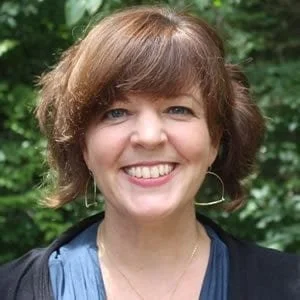
Dr. Page Anderson is an Associate Professor of Psychology and Neuroscience at Georgia State University and a licensed clinical psychologist with board certification in Behavioral and Cognitive Psychology. She is an inaugural Clinicians Leading Ingenuity in AI Quality fellow of the NIH-funded AIM-AHEAD consortium and serves on an APA expert panel on Generative. Dr. Anderson began her career in 1999 at a start-up whose founders pioneered the use of virtual reality for anxiety disorders. She is on the Board of Directors for the International Society for Research on Internet Interventions. Dr. Anderson has discussed her research in multiple media outlets, including CNN and the Discovery Channel.
WORKSHOP 10Creating Connections Among Psychologists to Reduce Firearm Deaths in Georgia
Drs. Furman, Dilly, Marshall-Lee, Hafele, Tuttle, Collins, Zwettler, and Greenwald
Time: 4:15pm - 5:15am
CE Credits: 1
Workshop Level: Introductory
-
This symposium features psychologists, an educator, and a pediatric emergency room physician working to reduce firearm deaths and trauma in Georgia. It will emphasize evidence-based approaches to understanding gun culture, psychoeducation, storytelling, and advocacy as effective steps in addressing this significant public health and mental health issue, the leading cause of unexpected youth deaths in Georgia and the nation. In 2022, firearms were the leading cause of suicides (55%) and homicides (79%) nationwide. In 2024, Georgia had 1648 suicide deaths (14.6 per 100,000). Despite the debate on gun access, most Georgians support gun safety and as psychologists we can help.
-
1. Apply up-to-date evidence-based assessment and intervention strategies to incorporate evidence-based lethal means counseling to reduce gun violence and address the ensuing trauma and secondary trauma to the community and healthcare professionals.
2. Prepare tailored messaging to overcome sociopolitical barriers to promote secure firearm storage by participating in public education campaigns across Georgia through suicide prevention meetings, toolkits, and public education booths and consider doing so at gun shows, firearm retailers, and firing ranges
3. Develop tailored interventions and communication to address the unique risk factors and motivations for firearm ownership and storage in Georgia among ethnic, racial, age, gender, and sexual minority groups.
-
Susan McCarthy Furman, PhD
GPA LLAC and CE Committee Member, Georgia Majority for Gun Safety, Secretary and Membership Committee Chair, Georgia Clinicians for Gun Safety Member, Dedicated public mental health advocate, Independent Practice, Adjunct Associate Professor, Department of Psychiatry and Behavioral Sciences, Emory University School of Medicine.
Laura Dilly, PhD, Assistant Professor and Section Chief of Integrated and Community Care in the Division of Behavioral Mental Health in the Department of Pediatrics at Emory University School of Medicine. She serves as a Psychology Program Manager, leading the Behavioral and Mental Health Outpatient Clinic and the APA Doctoral Internship Training Director at Children’s Healthcare of Atlanta. She received her doctorate in school psychology from Michigan State University. Dr. Dilly served as the 2019-2020 president of the Georgia Psychological Association and currently represents Georgia on the American Psychological Association’s Council of Representatives.
Erica Marshall-Lee, PhD, ABPP, Associate Professor, Eminent Psychologist, Department of Psychiatry and Behavioral Sciences, Clinical Director, Psychosocial Rehabilitation/Peer Services, Grady Memorial Hospital System, Assistant Vice Chair for Faculty Development - Diversity, Inclusivity, and Equity, Department of Psychiatry and Behavioral Services, Emory University School of Medicine, Associate Director, Advocacy and Diversity for Postdoctoral Residency Program in Health Service Psychology, Co- Chair, American Psychological Association, Policy and Advocacy Committee (Division 18), 2018 to 2024, Chair Elect, American Psychological Association, Serious Mental Illness/Serious Emotional Disorder section (Division 18), 2022 to 2026, Chair, American Psychological Association, Serious Mental Illness/Serious Emotional Disorder Section (Division 18), 2024 to present, Member, Task Force on Serious Mental Illness/Severe Emotional Disturbance, American Psychological Association, 2023 to present, and Past President, Georgia Psychological Association, 2023 to 2024
Mac Hafele, PhD, After the US Marine Corps where she trained in cryptologic warfare intelligence, Dr. Hafele earned her Bachelor's Degree in Psychology from Oklahoma State University in 1995. She earned her Master's and PhD in Clinical Psychology from Louisiana State University specializing in forensics and neuropsychology, and completed her clinical internship at the Medical College of Georgia/VA Consortium in 2000. She has additional training in Trauma, Sleep, Critical Incident Stress Management, Complex Conflict Mediation, and Organizational Dynamics. In addition to her independent practice, she consults with local county sheriff offices as well as to the Emory University Faculty and Staff Assistance Program.
Gordon Tuttle, PhD, Emory University, Faculty and Staff Assistance Program, Served as Leadership, professional supervision and direct services provided in an internal Employee Assistance Program (EAP) academic medical center setting. Provided oversight and delivery of physician coaching, leadership consultation, workplace services and preventive services to physician leaders and faculty physicians of Emory School of Medicine. Coordination and delivery of brief mental health assessment and intervention services for faculty physicians. Adjunct Assistant Professor, Emory University School of Medicine, Department of Psychiatry and Behavioral Sciences, Independent Practice.
Marietta Collins, PhD, Dr. Marietta Collins is an Associate Professor and licensed clinical psychologist. She is currently the Director of Behavioral Medicine within the Department of Family Medicine at Morehouse School of Medicine (MSM). She also has a secondary appointment within Psychiatry and Behavioral Sciences. At MSM, she provides psychological services to underserved adults, youth, and families and is also involved in medical student and resident education via teaching and curriculum development. Prior to joining the MSM faculty in 2016, Dr. Collins worked with high-risk children, adolescents, and families as a faculty member at Emory University School of Medicine for over two decades. Dr. Collins continues to serve in an adjunct capacity at Emory. Dr. Collins has published numerous academic articles in peer reviewed journals and books on providing quality mental health interventions for underserved populations. Dr. Collins is also a New York Times Best Seller author for the children’s book she coauthored, Something Happened in Our Town: A Child’s Story About Racial Injustice. This book was listed as a banned book on the Top 10 list of Most Challenged Books in 2020. She and her coauthors released their second book, Something Happened in Our Park: Standing Together After Gun Violence in April of 2021, Something Happened to Our Planet: Children Tackle the Climate Crisis in 2023, and Something Happened to Our Mom: A Story About Parental Addiction, to be released in October, 2025. Dr. Collins is actively involved in the faith community. She is a proud member of Delta Sigma Theta Sorority, Inc. She and her husband are the parents of 2 adult children. Her hobbies include exercising, singing, and mentoring African American children, adolescents, and early career professionals.Maggie Zwettler, Ed.S., BE SMART State Coordinator, Retired Teacher. Maggie taught primary grades and English for Speakers of Other Languages.
Maggie is the mom of 3 and grandmother of 6, who are students in Cherokee and Cobb County. Maggie became involved in the gun violence prevention movement after the 2018 mass shooting at Marjorie Stoneman Douglas High School in Florida. She was recently retired and viewed the initial news reports of the shooting while sitting on her living room couch. Watching the ensuing reports of student survivors speaking up for themselves, because the adults in their lives failed to protect them, motivated Maggie to get up off the couch and get active.
Maggie has volunteered for Moms Demand Action for Gun Sense in America since March of 2018. She became interested in the Be SMART for Kids 501c3 campaign because it is educational in nature.Mike Greenwald, MD, Associate Professor, Emory University School of Medicine, Department of Pediatrics and Emergency Medicine. Dr Greenwald’s clinical interests include trauma and pain management. He has served in a variety of capacities including Director of the Pediatric Pain service and Director of Education for Pediatric Emergency Medicine. For the past 20 years he has run the Teaching course for Pediatric fellows and has received with a variety of recognitions for teaching including the Deans Teaching Award. In 2023 he co-founded the Georgia Clinicians for Gun Safety with Dr Sofia Chaudhary. This organization has grown to over 175 members from across the state and is dedicated to reducing gun violence through an evidenced based approach leveraging clinical expertise and experience.
WORKSHOP 11Using Stories to Help Children Cope with Loss and Trauma
Ann Hazzard, PhD, ABPP and Marianne Celano, PhD, ABPP
Time: 4:30pm - 5:30pm
CE Credits: 1
-
Many children (an estimated 20-48% of all youth) are exposed to traumatic events and many experience mental health problems as a result. Traumas may include child maltreatment, domestic or community violence, natural disasters, and family disruption. Many traumatic events also involve temporary or permanent loss of contact with caregivers. Diverse therapy approaches are utilized to address children’s distress after experiences of loss or trauma and many include the use of first and/or third-person narratives.
The presenters are a clinical psychologist and a couple and family psychologist, two of the co-authors of the Something Happened children’s books that encourage adaptive coping with specific family and community stressors. The presenters will focus on using stories to help child clients cope with loss and trauma. Two illustrative case studies will be presented. Something Happened to My Mom models adaptive coping with parental addiction, a complex family stressor that may also involve child maltreatment and parent-child separation. Something Happened to My Dad, a story about an undocumented father’s detention and potential deportation, models coping with parent-child separation. Both stories also address stigmatized situations which may be particularly challenging for families to discuss. The presenters will provide a resource list of additional sources of published stories addressing trauma and loss. They will discuss strategies for developing tailored therapeutic stories for particular clients in a clinical setting.
A complicating factor is that many children who have experienced trauma and loss do not receive treatment from behavioral health providers. Also, many stressors (e.g., gun violence) impact large groups of children. Therefore, approaches involving community-based psychoeducation or advocacy appear warranted. The presenters will discuss utilizing stories in community settings to promote adaptive coping on a broader scale. They will encourage participants to reflect on diverse ways to expand their role and develop competencies as community advocates. -
Describe three ways in which narrative approaches can enhance coping, build resilience, or promote empowerment.
Identify three coping strategies that are generally adaptive for children dealing with loss or trauma.
Describe two benefits of community-level interventions that support healthier families
Identify one psychoeducation or advocacy activity in which you might engage.
-
Ann Hazzard, PhD, ABPP is an Associate Professor Emerita at the Emory University School of Medicine. She provided child assessment and therapy services and conducted research on child trauma at Emory’s Grady campus. She supervised psychology and pediatrics interns and postdoctoral fellows for over three decades. She has presented many professional workshops regionally and nationally. Dr. Hazzard developed therapeutic stories for child clients and is the co-author of four children’s books promoting children’s coping with family and community stressors. She has been a board member of several community nonprofits focused on child abuse prevention, bereavement support for children, and promotion of children's literacy. She is actively involved in social justice advocacy efforts.
Marianne Celano, PhD, ABPP is Professor Emerita at the Emory University School of Medicine. During her career at Emory, she supervised hundreds of psychology and psychiatry residents providing behavioral health services to children and families. She has presented many professional workshops and was a keynote speaker at the American Psychological Association convention in 2023. Dr. Celano was a credentialed supervisor of Trauma-Focused Cognitive Behavioral Therapy (TF-CBT) as well as Parent Child Interaction Therapy (PCIT). She specialized in treating children with chronic health problems and youth who experienced traumatic events. She has co-authored four children’s books promoting children’s coping with family and community stressors and is active in social justice and environmental advocacy.
Saturday, April 25 Workshops
WORKSHOP 12Ethics in Motion: Navigating Connection and Change in Global Psychological Practice
Tomina J. Schwenke, PhD, ABPP, Emily Mouilso, PhD, and Amy Todey, PhD
Time: 9:30am - 12:30pm
CE Credits: 3 Ethics
Workshop Level: Intermediate
-
This engaging ethics workshop will use case studies on social media, global psychology, and interjurisdictional practice to examine emerging challenges in modern psychological work. Participants will review telepsychology and telemental health guidelines, ethical decision-making models, and frameworks for forensic work, mandated reporting, and social media practice. Diversity issues—including cultural contexts in high-conflict families, linguistic and disability concerns, and generational differences in technology use—will be integrated throughout. Using interactive methods such as open-ended questions, quizzes, and self-reflection, attendees will gain practical tools, decision trees, and greater capacity to ethically navigate evolving practice across state and international borders.
-
1. Apply ethical decision-making models (e.g., APA Ethical Principles, Koocher & Keith-Speigel’s 8-step model) to emerging challenges in psychology, including social media practice, telepsychology, and global/interjurisdictional practice.
2. Evaluate and integrate current guidelines for telepsychology, telemental health, supervision, forensic work, mandated reporting, and social media into professional practice across clinical, forensic, and supervisory roles.
3. Identify and critically examine diversity considerations (e.g., religion, age, linguistic diversity, ability/disability, socioeconomic status, and rural/urban differences) that impact ethical decision-making in clinical and forensic contexts.
4. Analyze systemic cultural stereotypes and legal-psychology intersections to reduce bias, enhance cultural humility, and strengthen therapeutic and forensic relationships in high-conflict family systems and divorce. -
Tomina J. Schwenke, PhD, ABPP, is a licensed and board-certified psychologist with a post-doctoral juris master’s degree from Emory School of Law. She is a nationally certified sign language interpreter (CI/CT), with a specialized certificate in mental health interpreting (QMHI). She is an Assistant Professor
at the Emory School of Medicine, served as the director and on-site psychology supervisor for the Emory’s jail-based Competency Restoration program and is the forensic psychology training director for the Emory Psychiatry and Law Service. She holds the clinical distinction of Senior Psychologist within
the Emory Brain Health Clinic where she provides therapy to a variety of patients including those who are deaf, hard-of-hearing and deaf-blind.
She was previously in private practice and focused on civil and criminal forensic work. She is a certified forensic evaluator for the State of Georgia and publishes and presents nationally on a variety of forensic psychology and interpreting topics. Her awards include the Richard Morrel Community Commitment Award (Emory), the Martin Seligman Research in Psychology and Deafness Award (ADARA),Outstanding Journal Article Award (JADARA), the Dennis Brady Service Award (CUNY), and the Excellence in Patient Care Award (Emory Healthcare).
Emily Mouilso
Dr. Mouliso is a licensed psychologist in Georgia and board certified in Behavioral and Cognitive Psychology by the American Board of Professional Psychology. Since 2015, she has been employed at the University of Georgia as a Clinical-track faculty member in the department of psychology. She is the Director of the Psychology Clinic and served as the Director of Clinical Training in 2022-2024. She supervises graduate students in assessment and treatment of adult outpatient clients in the Psychology Clinic and teaches graduate and undergraduate-level courses in clinical psychology, adult intervention with a focus on evidence-based treatment, ethics, and supervision. Dr. Mouilso also serves on the GPA Ethics Committee and the Legal and Legislative Affairs Committee. In 2022 she was named a fellow of GPA.Amy Todey, PhD
Dr. Amy Todey is a Harvard-educated, licensed psychologist dedicated to helping families, parents, and children thrive. Dr. Todey is a parenting and coparenting expert with specialized expertise in divorce, neuropsychological assessment (ADHD, Autism Spectrum Disorder and learning disabilities), and relationship psychology.
Dr. Todey earned her PhD in psychology from the University of Georgia in 2013. She completed her clinical internship and postdoctoral fellowship at Harvard Medical School where she worked across several Harvard teaching hospitals including Cambridge Health Alliance and Boston Children’s Hospital, where she remained as a staff psychologist for 3 years. Dr. Todey began her private practice in Cambridge, Massachusetts in 2015 and transitioned to Atlanta, Georgia in 2018. Dr. Todey has had advanced training in coparenting, parent coordination, and child custody evaluation through William James College. She has also been trained as an Expert Witness through Harvard Law School. A seasoned speaker, Dr. Todey has presented both locally and nationally on topics including parenting, co-parenting, ethics, neurodevelopment, and divorce. She currently serves as Education Chair of the Georgia Psychological Association Ethics Committee and holds licenses to practice psychology in Georgia and Massachusetts, with the ability to work across states through PSYPACT. Dr. Todey is a frequent contributor to popular media outlets including Parents Magazine, Parade Magazine and Projet Arcadie.
WORKSHOP 13Adapting Mindfulness Interventions to Meet the Needs of Black Clients
Natalie Watson-Singleton, PhD
Time: 9:30am - 12:30pm
CE Credits: 3
Workshop Level: Intermediate
-
Mindfulness – nonjudgmental attention to present-oriented thoughts, emotions, and sensations – has gained popularity across health disciplines (Kabat-Zinn, 2003). Mindfulness fosters well-being, with some evidence that these benefits apply to African Americans (Watson-Singleton, Walker, LoParo, Mack, & Kaslow, 2017). However, applications of mindfulness are underrepresented among ethnic minorities, including African Americans (Woods-Giscombé & Black, 2010). This workshop will highlight the timely need to develop culturally-responsive mindfulness interventions to target African Americans’ stress-related illnesses. It will (a) review the literature on mindfulness and African Americans and (b) offer strategies to tailor these skills to align with African Americans’ cultural values.
-
1. Describe the literature on mindfulness and African Americans
2. List recommendations for adapting mindfulness practices with African American clients
3. Offer strategies to tailor mindfulness skills to align with African Americans’ cultural values. -
Dr. Natalie Watson-Singleton is a licensed clinical psychologist; Associate Professor of psychology at Spelman College; and the Diversity and Inclusion Education Director with the Nia Project at Emory University Department of Psychiatry and Behavioral Sciences. She is also the owner of her own psychotherapy and consulting practice, NWS Wellness and Consulting, LLC. Dr. Watson-Singleton received her PhD in Clinical-Community psychology from the University of Illinois and completed her predoctoral internship and postdoctoral fellowship at Emory University Department of Psychiatry and Behavioral Sciences. Dr. Watson-Singleton has expertise in African Americans’ health disparities, with special attention to African American women. She also examines ways to culturally modify mindfulness interventions to increase its access among African American communities. Dr. Watson-Singleton’s research program has resulted in approximately $5 million worth of grant funding from the National Institutes of Health. Her work has been recognized by the American Psychological Association, the Association of Black Psychology, the Association for Women in Psychology, and the Society for a Science of Clinical Psychology. Overall, Dr. Watson-Singleton aims to produce research that can bridge science and practice to improve the lives of marginalized communities.
WORKSHOP 14Child Forensic Interviewing and Child Sexual Abuse Dynamics: Effective Consultation in Cases with Child Victims
Jamie Dickson, PsyD and Kevin J. Richards, PhD, ABPP
Time: 9:30am - 12:30pm
CE Credits: 3
Workshop Level: Intermediate
-
This workshop will focus on various components of consulting in criminal cases with child victims/witnesses. In addition to a review of techniques and best practices in forensic interviewing of children, attendees will learn about issues that arise regularly in cases in which children are involved. Such issues include grooming, the disclosure process, recantations, false allegations, and child development (memory, language, and normative sexual behaviors). Attendees will learn about the process of effectively consulting with attorneys in these cases, ways in which a psychologist can best assist attorneys, and preparing and providing testimony.
-
1. Demonstrate knowledge of best practices in child forensic interviewing by identifying evidence based techniques and explaining how developmental factors (memory, language, normative behaviors) can influence a child’s statements in the interview and in-court testimony.
2. Evaluate and address common challenges in child-involved criminal cases by analyzing scenarios involving grooming, various types of disclosures, recantation, and false allegations, and applying evidence-based strategies to respond effectively.
3. Apply consultation and testimony skills in a forensic context by outlining effective methods for assisting attorneys, preparing expert input, and practicing techniques for delivering clear and credible courtroom testimony. -
Jamie Dickson, Psy.D. earned her Doctor of Psychology in 2008 from the Georgia School of Professional Psychology. She completed her pre-doctoral field training in a variety of settings including private practices, state psychiatric hospitals, juvenile justice facilities, and Devereux. Dr. Dickson also completed her post-doctoral training at Devereux, which is a residential treatment facility for children and adolescents with severe emotional and behavioral disorders. After completion of her post-doctoral training in 2009, she worked as the facility psychologist at Devereux until June 2013, when she entered private practice.
During her years of schooling and field training, Dr. Dickson conducted psychological evaluations with children, adolescents, and adults. Her training included education and supervised experience conducting forensic psychological evaluations as well. Dr. Dickson also received education and supervised experience in providing therapy for child, adolescent, and adult clients. Her private practice work focuses on conducting forensic psychological assessments of adolescents and adults. Dr. Dickson also regularly reviews and consults on forensic interviews with children.
Kevin J. Richards, Ph.D., ABPP is board-certified in forensic psychology. He is the owner of Forensic Specialty Group, which is a forensic psychology consultation and evaluation practice based in Marietta, Georgia. Dr. Richards previously served as a Forensic Psychologist in the state mental health systems of Maryland and Georgia. He has held adjunct teaching and training positions at several colleges and universities and provides training for mental health and legal professionals on a range of topics related to forensic psychology. Currently, Dr. Richards’ practice is focused on consultation and expert testimony in Military and civilian courts. Dr. Richards recently completed a chapter on ethical considerations in adult forensic interviews that will be published in the upcoming volume “Forensic Interviews Regarding Adult Sexual Assault: A Guide to Evidence-Based Practice” William O’Donohue and Ray Bull, editors.
WORKSHOP 15Preparing for Retirement as a Practice Owner or a 1099 Contractor
Randall Avery, CFP®, CFA
Time: 9:30am - 11:30am
Non CE Presentation
Workshop Level: Introductory
-
Our workshop aims to equip practice owners and 1099 contractors with the knowledge and tools to confidently plan for a financially secure retirement, addressing their distinct challenges and opportunities. We offer crucial insights into the unique retirement planning needs of the self-employed. We delve into topics like navigating income variability, leveraging specialized retirement savings plans (SEP IRAs, SIMPLE IRAs, Solo 401(k)s), maximizing contributions, planning for healthcare costs, business succession (for owners), and understanding relevant tax implications.
-
1. List the key retirement plan options available to self-employed individuals, including SEP IRAs, SIMPLE IRAs, and Solo 401(k)s.
2. Describe the unique retirement planning challenges faced by practice owners and 1099 contractors, including variable income and lack of employer-sponsored benefits.
3. Demonstrate how to set up and manage a self-employed retirement account using sample forms or financial software.
4. Summarize key tax considerations related to retirement planning for self-employed professionals, including deductions and required minimum distributions. -
Randall Avery, CFP®, CFA, is the principal and owner of RSA Deasil Advisors, an advisory firm based in Atlanta, Georgia. With over 15 years of experience in finance, accounting, and investment analysis, he specializes in helping individuals and families achieve financial independence through strategic planning and personalized asset management. Randall holds the CERTIFIED FINANCIAL PLANNER™ designation, the Chartered Financial Analyst credential, and a FINRA Series 65 license.
Before founding RSA Deasil Advisors, Randall held senior financial roles at Invesco, Turner Broadcasting, and First Data Corporation, where he led budgeting, forecasting, and financial analysis for multi-million-dollar portfolios. He earned dual BBA degrees in Finance and Accounting from Georgia State University and continues to guide clients in building wealth through sound, long-term financial planning.
WORKSHOP 16Embracing Change in Psychology: Are We Ready to Talk About Hormones
Lindsay Lillstrom, PsyD and Jasmine H. Winbush, PsyD
Time: 10:30am - 11:30am
Non CE Presentation
Workshop level: Intermediate
-
Studies have shown that premenstrual and menstrual phases are consistently implicated in transdiagnostic psychological symptom exacerbation, including increases in depression, suicidality, substance use, binge-eating, mania/hypomania and anxiety. Most research studies in this area indicate a need for the development of standardized approaches to identify menstrual cycle phases in order to adapt therapeutic interventions based on identified phase in cycle. Similarly, hormonal fluctuations across the lifespan (not just monthly menstrual cycles), play a significant role in the mental health of women who show up in clinicians’ offices seeking answers. For example, perimenopausal hormone fluctuations have been linked to new-onset mental disorders as well as exacerbated pre-existing mental health disorders.
There are many stressors that are common in perimenopausal women (e.g. changes in body weight/composition, sleep difficulties, increase in relational conflict etc.) that further impact her mental health.
The goal of our presentation is two-fold. First, we aim to outline the ways in which the monthly menstrual cycle impacts symptom expression and, thus, can inform clinicians’ conceptualizations, diagnostic impressions, and interventions with female clients. We will offer standardized ways to assess for menstrual cycle phase and provide tangible guidelines for how to incorporate this information into a 3 clinician’s treatment plan. Second, we want to examine how a women’s hormonal age cohort (e.g. reproductive years, perimenopause, menopause, post-menopause) can contribute to common symptom presentations and explore ways to incorporate this information into the assessment, conceptualization, and treatment of women across the lifespan. -
Jasmine H. Winbush, PsyD is a Licensed Clinical Psychologist and founder/owner of Amethyst Psychological Services (APS). APS (founded in 2018) is a group private practice, located in Atlanta, GA, that provides individual and couples therapy to women. Dr. Winbush and her team of therapists specialize in multicultural psychology, women’s issues, trauma, and relational psychotherapy.
Lunch: 12:30pm - 2:15pm
WORKSHOP 17Mirror, Mirror On the Wall, Better Body Image For All
Sandra Wartski, PsyD, CEDS
Time: 2:15pm - 5:15pm
CE Credits: 3
Workshop Level: Intermediate
-
Negative body image is curiously complex, quite common and clinically challenging. Beliefs about one’s body, including culturally-influenced idealizations about shape and size, are developed in multifactorial ways, and the unlearning of these beliefs is similarly multifaceted. This presentation will focus on the truths about body image, accompanied by a variety of multi-theoretical interventions to consider incorporating into therapeutic strategies related to body image improvement. Because research shows that anyone’s mental health would be improved with improved body image, all therapists would benefit from additional clinical skills that can assist in effectively navigating clients toward a life without critical body relationships.
-
Describe at least two ways that harmful body image beliefs and body shame are developed
Explain two strategies to challenge harmful body image beliefs
List ways to help clients develop kinder, more compassionate, function-over-form ways of attending to the body
-
Sandra Wartski, Psy.D., CEDS is a Licensed Psychologist and Certified Eating Disorder Specialist who has been working with Silber Psychological Services since 1993. Over the past 30 years, Dr. Wartski has been conducting individual, family and group therapy, as well as psychoeducational evaluations, with special interests in mood disorders, anxiety, eating disorders, relationship issues and crisis intervention. One of her favorite parts of being a therapist is the opportunity to build relationships allowing room for positive growth and change. Dr. Wartski also enjoys providing presentations and writing articles on a variety of mental health topics for both community groups and other professionals, especially in the domain of body image and disordered eating.
WORKSHOP 18Psychedelic-Assisted Psychotherapy: Research/Treatment, and Harm Reduction
Mary Gresham, PhD
Time: 2:15pm - 5:15pm
CE Credits: 3
Workshop Level: Intermediate
-
This workshop will cover the emerging research base in psychedelic-assisted psychotherapy, including which diagnostic categories show promising results for this treatment. We will review the models of therapy used in conjunction with psychedelic medications. Priniciples of harm reduction for psychedelic use are important for clinicians to know because of the increasing interest clients have in using these medications for mental health issues. We will also discuss the issues of cultural appropriation and lack of diversity in the field.
-
1. Name 3 psychiatric diagnoses that are appropriate for treatment with psychedelic-assisted psychotherapy.
2. Name 3 medications and 3 experiences that can be used to induce non-ordinary states of consciousness.
3. Identify a protocol for the safe use of psychedelics and refer to resources that can be used to help those who want to reduce the risk of using these substances. -
Dr. Mary Gresham is a clinical psychologist educated at Tulane, Emory and Georgia State. She has been practicing for 40 years in Atlanta and currently works at Emory in the research trials on psilocybin as a treatment for depression and cancer survivors. She has been an officer of GPA and presented a number of workshops over the years.
WORKSHOP 19Psychologist, Heal Thyself: Being Well While Meeting the Needs of Others
Chanequa Walker-Barnes, PhD
Time: 2:15pm - 5:15pm
CE Credits: 3
Workshop level: Introductory
-
This workshop explores how psychologists can support and maintain personal and professional wellness while meeting the mental health needs of others. Participants will discuss the meaning and determinants of wellness, and the ways in which the professional demands of psychologists can hinder or contribute to their health and well-being. Specific emphasis is placed upon the challenges of working with marginalized and vulnerable populations, and the concomitant risks of burnout, compassion fatigue, and vicarious/secondary traumatization. A combination of self-assessments and experiential exercises will help participants develop a personalized wellness plan to support long-term resilience and wellbeing.
-
1. Explain the six dimensions of eudaimonic well-being and their impact upon the efficacy and ethics of psychologists' clinical work, teaching, and research.
2. Analyze psychologist well-being and self-care as self-management strategies that support ethical decision-making and conduct.
3. Describe the roles of emotional labor, sense of purpose, and self-care in psychologists' work and their impact on growth, burnout, compassion fatigue, and vicarious/secondary traumatization, particularly when working with marginalized and vulnerable populations.
4. Create a personalized wellness plan that incorporates physical, emotional, social, and professional selfcare to promote long-term resilience.
-
Chanequa Walker-Barnes is a womanist pastoral theologian, clinical psychologist, and ecumenical minister who serves as Professor of Practical Theology and Pastoral Care at Columbia Theological
Seminary in Decatur, Georgia. She is the author of three books – Sacred Self Care: Daily Practices for Nurturing Our Whole Selves, I Bring the Voices of My People: A Womanist Vision for Racial Reconciliation, and Too Heavy a Yoke: Black Women and the Burden of Strength, as well as two dozen book chapters and peer-reviewed journal articles in theology, clinical psychology, and child development.
Sunday, April 26 Workshops
WORKSHOP 20Guilty Beyond a Reasonable Algorithm? The Use of Artificial Intelligence in Forensic Psychology
Dana L. Formon, PhD, ABPP and Christina P. Gliser, PhD, ABPP
Time: 9:00am - 12:00pm
CE Credits: 3
Workshop Level: Intermediate
-
Artificial Intelligence (AI) is rapidly shaping society, yet its impact on forensic psychology has received limited attention. This workshop will introduce the fundamentals of AI, clarify its current and emerging capacities, and explore how psychologists are beginning to integrate AI into practice. Emphasis will be placed on applications within forensic contexts, weighing both benefits and risks. Topics will include ethics, transparency, data security, and admissibility in court. We will also address concerns about racial and cultural bias in AI systems and the implications for justice, equity, and forensic mental health practice.
-
1. Define and describe the fundamental concepts of artificial intelligence, including current and emerging applications relevant to forensic psychology.
2. Evaluate the potential benefits, limitations, and risk of integrating AI into forensic practice, with attention to ethical, legal, and professional considerations.
3. Analyze the implications of AI-related bias, particularly racial and cultural disparities, and discuss strategies for mitigating inequities in forensic and legal contexts.
-
Dana L. Formon, Ph.D., ABPP (Forensic) received her doctoral degree from Sam Houston State University in 2019, and completed her pre-doctoral internship at FCC Butner. She completed a postdoctoral fellowship in forensic psychology with the Colorado Department of Human Services, where she worked for one-year post-licensure, supervising interns and fellows. She was employed as an evaluator at Central State Hospital in Virginia for a brief period before finding her home at Forensic Specialty Group in Marietta, GA, where she completes primarily criminal forensic evaluations of competency (adult and juvenile), criminal responsibility, risk assessment, and mitigation. She is also an instructor at Carroll University in Waukesha, WI, and remains involved in remote forensic evaluations for the State of Colorado. She is actively engaged in research on burnout and the use of artificial intelligence in forensic psychology. She received board certification in 2024, and presented in a panel discussion on the use of AI in Forensic Psychology for the American Academy of Forensic Psychology in August of 2025.
Christina P. Gliser, Ph.D., ABPP (Forensic) earned her doctoral degree in clinical psychology with emphasis in forensic psychology from West Virginia University in 2017. She completed her predoctoral internship at the Medical Center for Federal Prisoners (MCFP) in Springfield, Missouri, and her forensic postdoctoral fellowship at East Central Regional Hospital/Augusta University. She initially served as a forensic evaluator for the Colorado Department of Human Services, where she completed competency, sanity, mental condition, and violence risk assessments while supervising interns and postdoctoral fellows. She later transitioned to a private practice position at Forensic Specialty Group in Marietta, Georgia, where she currently serves as the clinical director. Dr. Gliser’s research and clinical interests include prediction and mitigation of violent behavior, forensic assessment, psychopathy, and first responder psychopathology and performance.
WORKSHOP 21Mental Health Care at End of Life
Jennifer Smith, PsyD, and Jennifer Dean, PhD
Time: 9:00am - 12:00pm
CE Credits: 1
Workshop Level: Advanced
-
This advanced workshop will provide information regarding evidence-based mental health treatments for those at the end of their life. Working with medical professionals, assessing capacity for medical decision making, and various cultural experiences at the end of life will be explored. Attendees will also be asked to participate in an experiential exercise regarding their own mortality.
-
1. Identify personal barriers to effective intervention at end-of-life
2. Describe criteria for hospice admission
3. Identify common psychological symptoms at end-of- life.
4. Name two therapeutic interventions for end-of-life
5. Explain desire for hastened death versus suicidal ideation.
6. Describe the concept of a “good death” -
Dr. Jennifer Smith is a Geropsychologist and Geriatrics Psychology Program Manager. She is also an Assistant Professor of Psychiatry and Behavioral Sciences at Emory University School of Medicine. She trains mental health professionals in the use of Acceptance and Commitment Therapy. Dr. Smith trains Psychology Interns and Postdoctoral Fellows in the use of Psychological Assessment. She is a graduate of the American Psychological Association Leadership Institute for Women in Psychology. Dr. Smith is a former President of the Georgia Psychological Association and a Board Member of both the Georgia Psychological Association and the Georgia Psychological Foundation. She is the former Georgia Representative for the American Psychological Association Council of Representatives. She believes being a psychologist is the best job in the world.
Jennifer Dean earned her PhD in Counseling Psychology from Georgia State in 2008. She is a palliative care psychologist working at the Atlanta VA Medical Center where she provides therapy, support, evaluation, and advocacy to veterans with life-threatening illnesses. She has taken a circuitous path to find her “home” in palliative care, having come from a background in college counseling, serving as an adjunct instructor, and treating mood disorders in the Atlanta VA Medical Center’s General Mental Health Clinic- all with an emphasis on the on the social justice impacts on mental health. Most recently, she served as Liaison to the APA Deep Poverty Initiative and presents to mental health and medical providers about poverty, grief, and end of life concerns.
WORKSHOP 22The Sustainable Psychologist: Aligning Values, Work, & Wellness
LaShawn M. Gooden, PsyD
Time: 9:00am - 10:00am
CE Credits: 1
Workshop Level: Intermediate
-
This interactive 60-minute workshop supports doctoral-level psychologists in cultivating sustainable practice amid the demands of evolving professional roles—clinical, academic, leadership, and beyond. Participants will engage with the People–Purpose–Performance Map™, a research-informed framework for examining alignment between personal values, relational commitments, and professional tasks. Drawing on current literature related to burnout, role strain, and identity-based stress, the session integrates guided reflection and practical planning. Attendees will leave with individualized strategies to promote long-term well-being, ethical integrity, and role effectiveness in complex practice environments.
-
1. Describe psychological sustainability and signs of professional misalignment.
2. Apply the People–Purpose–Performance™ framework to assess role congruence.
3. Identify one actionable shift or boundary to support sustainable practice. -
LaShawn M. Gooden, PsyD, is a licensed clinical psychologist with expertise in adult mental health, trauma recovery, integrated care, and psychological assessment. She has provided therapy and evaluation services across outpatient, military, and primary care settings, with a particular focus on trauma-informed care for veterans and service members. Her clinical approach integrates evidence-based practices with a deep commitment to ethical clarity, professional sustainability, and culturally responsive care.
In addition to her clinical work, Dr. Gooden is the founder of LaShawn Gooden Consulting, LLC, where she brings a psychological lens to leadership development and organizational wellness. She has consulted with military and government agencies on reducing burnout, enhancing role clarity, and building psychologically healthy workplaces. Dr. Gooden holds a PsyD in Counseling Psychology from the University of St. Thomas in Minneapolis.
WORKSHOP 23Who Can Say? Embracing Uncertainty and Unhooking from Reassurance Seeking Cycles in the Age of AI
Katie E. Hale, PhD
Time: 9:00am - 12:00pm
CE Credits: 3
Workshop Level: Intermediate
-
Reassurance seeking is a transdiagnostic process linked to anxiety, depression, and OCD. Although meant to reduce distress, repeated reassurance seeking often amplifies anxiety and undermines resilience. Clinicians can unintentionally reinforce these cycles, making unhooking strategies essential for effective care. This interactive three-hour workshop will provide attendees with evidence-based tools to recognize and interrupt reassurance-seeking patterns. Drawing on CBT, ACT, and metacognitive approaches, participants will learn interventions to help clients embrace uncertainty, strengthen flexibility, and reduce compulsive checking. Experiential exercises and AI-focused activities will extend learning into both therapy practice and psychologists’ personal lives.
-
1. Define reassurance seeking and describe its clinical relevance across anxiety, depression, OCD, and related conditions.
2. Identify how reassurance seeking manifests in diverse populations and how therapists may inadvertently reinforce these cycles.
3. Apply evidence-based strategies (CBT, ACT, and metacognitive approaches) to interrupt reassurance seeking in therapy.
4. Teach clients practical tools to embrace uncertainty and reduce compulsive reassurance behaviors outside of sessions.
5. Reflect on personal and professional patterns of reassurance seeking, including the role of AI, and develop strategies to model tolerance of uncertainty. -
Katie E. Hale, PhD is a licensed psychologist, program evaluator, and co-owner of Lumen Guidance & Consultation LLC. She earned a dual Ph.D. in clinical and community psychology from Georgia State University with a research program in positive youth development and mentoring. Dr. Hale completed her postdoctoral residency at Emory's OCD Intensive Outpatient Program, and currently serves as adjunct faculty in the Department of Behavioral Sciences. Dr. Hale specializes in treating anxiety, trauma, and obsessive-compulsive disorders with exposure-based therapies.